


Mathematics at Longfields Primary School
At Longfields Primary School, mathematics is a core subject that we value highly. Our aim is for all children to develop a deep, secure and lasting understanding of maths, alongside confidence, enjoyment and curiosity. To support this, we follow the NCETM (National Centre for Excellence in the Teaching of Mathematics) Curriculum Prioritisation and Mastery Approach.
What is the NCETM Curriculum?
The NCETM curriculum is designed to support schools in delivering high-quality mathematics teaching that is:
-
Ambitious and inclusive – ensuring all pupils can succeed
-
Carefully sequenced – building knowledge step by step
-
Focused on depth rather than speed
-
Aligned with the National Curriculum
The curriculum prioritises the most important mathematical concepts for each year group and ensures children have the time and support they need to truly understand them.
Our Mastery Approach to Maths
At Longfields Primary School, we use a mastery approach, which means that:
-
All children learn the same mathematical content
-
Concepts are taught in small, coherent steps
-
Children spend longer on key ideas to develop depth of understanding
-
Learning is built through concrete, pictorial and abstract representations.
-
Mathematical talk, reasoning and explanation are central to every lesson
We believe that everyone can do maths, and that success comes from effort, practice and high-quality teaching rather than ability grouping.
How Maths is Taught Across the School
Reception (Early Years Foundation Stage)
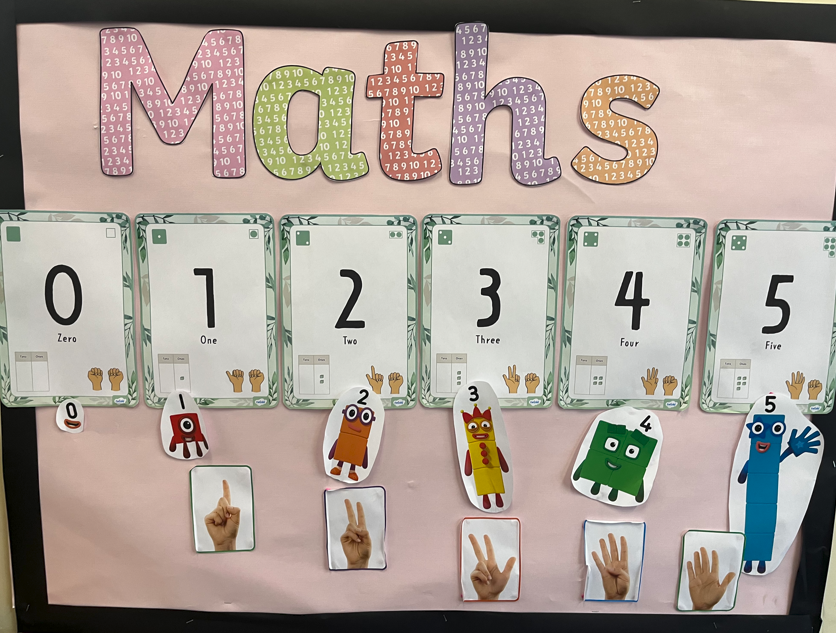
In Reception, maths teaching follows the NCETM guidance alongside the EYFS framework. Children develop a strong foundation in number by:
-
Exploring numbers through play, songs and stories
-
Developing a deep understanding of numbers to 10
-
Using concrete resources such as counters, cubes and tens frames
-
Learning mathematical vocabulary through discussion and modelling
The focus is on number sense, confidence and enjoyment, ensuring children are ready for more formal learning in Year 1.
Year 1
In Year 1, children build on their Reception learning using the NCETM curriculum. Lessons focus on:
-
Securing understanding of numbers within 10, then 20
-
Addition and subtraction through concrete and pictorial methods
-
Place value, shape, measure and simple problem solving
Teaching emphasises careful modelling, repetition and variation to help children make connections and deepen understanding.
Year 2
In Year 2, pupils continue to develop fluency and reasoning. Key features include:
-
Strengthening place value within 100
-
Developing addition, subtraction, multiplication and division concepts
-
Exploring measures, geometry and fractions
Children are encouraged to explain their thinking clearly and to use representations to support their reasoning.
Year 3
In Year 3, the mastery approach supports children as maths becomes more complex. Teaching focuses on: 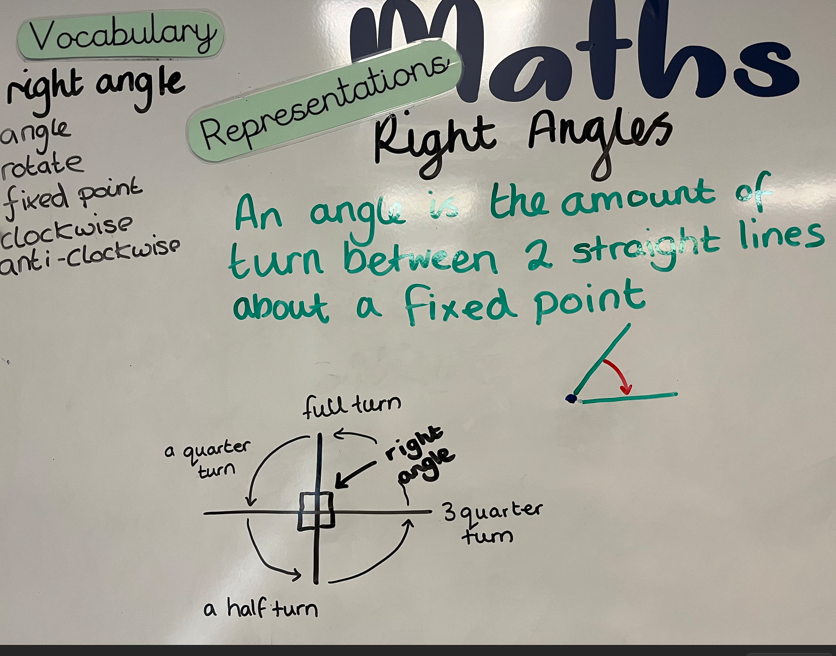
-
Place value within 1,000
-
Developing formal written methods
-
Multiplication and division facts
-
Fractions, measures and problem solving
Lessons are carefully sequenced to ensure children are secure before moving on.
Moving Forward: Years 4, 5 and 6
We are excited to be extending the NCETM curriculum into Years 4, 5 and 6 from September 2026.
This transition will ensure:
-
Consistency in teaching and learning across the whole school
-
A clear progression of mathematical knowledge and skills
-
Continued focus on mastery, reasoning and problem solving
By adopting the NCETM approach throughout Key Stage 2, we aim to prepare our pupils thoroughly for secondary school and beyond.
How We Implement NCETM at Longfields
At Longfields Primary School, we ensure high-quality implementation by:
-
Using NCETM-aligned planning and materials
-
Providing ongoing staff training and professional development
-
Using assessment to identify gaps and support learning
-
Offering targeted support interventions where needed
-
Encouraging a positive mathematical mindset in all pupils